
Introduction: Why Tryptamines and Phenethylamines Matter in Modern Pharmacology
Tryptamines and phenethylamines represent two of the most pharmacologically significant classes of monoamine receptor ligands. Their structural similarity to endogenous neurotransmitters (serotonin, dopamine, norepinephrine) makes them invaluable tools for:
- Receptor binding studies (5-HT1A, 5-HT2A, 5-HT2C, TAAR1, SERT)
- Structure-activity relationship (SAR) investigations
- Functional assay development (GTPγS, calcium flux, β-arrestin recruitment)
- Forensic toxicology reference material preparation
- Metabolic stability and prodrug design research
This guide provides researchers with comprehensive, evidence-based information on 27+ novel tryptamine and phenethylamine derivatives — including acetoxy tryptamines (4-AcO series), hydroxy tryptamines (4-HO series), methoxy tryptamines (5-MeO series), NB-substituted derivatives, and related compounds.
Part 1: Acetoxy Tryptamines (4-AcO Series)
Acetoxy tryptamines are O-acetylated derivatives of their corresponding 4-hydroxy tryptamines. They function as prodrugs — undergoing rapid deacetylation in biological matrices (serum, liver microsomes) to release the active 4-hydroxy metabolite. This property makes them valuable for:
- Prodrug pharmacokinetic studies
- Comparative bioavailability research
- Stability testing in various buffer systems
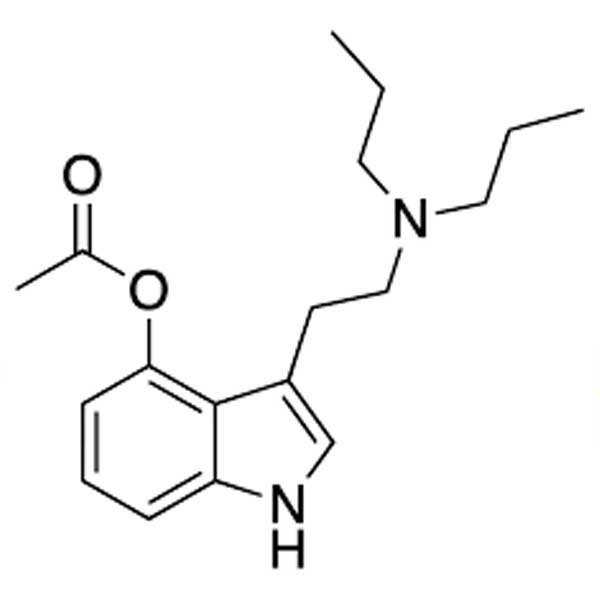
1.1 Buy 4 AcO DPT Online — 4-Acetoxy-N,N-dipropyltryptamine
CAS Number: Not widely assigned (research chemical)
Molecular Formula: C18H24N2O
Molecular Weight: 284.40 g/mol
IUPAC Name: 3-[2-(Dipropylamino)ethyl]-1H-indol-4-yl acetate
Research Applications:
- Comparison of propyl chain length effects on 5-HT2A binding affinity
- Deacetylation kinetics in human liver microsomes (HLM)
- Analytical standard development for forensic detection of novel tryptamines
Stability Notes: 4-AcO-DPT is susceptible to hydrolysis in aqueous solutions (pH > 7). Stock solutions should be prepared in anhydrous acetonitrile or methanol containing 0.1% acetic acid. Store at -80°C for long-term stability. Buy 4 AcO DPT Online
Purity Verification: Researchers should demand HPLC purity ≥98% with corresponding UV/Vis and mass spec confirmation. Common contaminants include residual 4-HO-DPT (hydrolysis product) and unreacted starting materials.
1.2 Buy 4 HO DET Fumarate — 4-Hydroxy-N,N-diethyltryptamine Fumarate
CAS Number: 77872-42-5 (freebase)
Molecular Formula (Fumarate): C18H24N2O · C4H4O4
Molecular Weight: 388.42 g/mol
IUPAC Name: 3-[2-(Diethylamino)ethyl]-1H-indol-4-ol fumarate
Research Applications:
- Positive control in 5-HT2A radioligand binding assays (Ki ≈ 50-100 nM)
- Comparison with psilocin (4-HO-DMT) for receptor selectivity profiling
- Forensic reference standard for tryptamine identification
Fumarate Salt Considerations: The fumarate salt form improves crystallinity and thermal stability compared to the freebase. However, researchers performing in vitro assays should note that fumaric acid may interfere with certain cell-based assays at high concentrations. Dialysis or buffer exchange is recommended. Buy 4 HO DET Fumarate Online
Storage: Hygroscopic. Store in airtight, desiccated containers at -20°C. Avoid repeated freeze-thaw cycles.
1.3 Buy 4-AcO-DET — 4-Acetoxy-N,N-diethyltryptamine
CAS Number: Not assigned
Molecular Formula: C16H22N2O
Molecular Weight: 258.36 g/mol
Research Niche: 4-AcO-DET serves as the acetoxy prodrug of 4-HO-DET. Its primary research value lies in:
- Comparative deacetylation rate studies (vs. 4-AcO-DMT) Buy 4-AcO-DET Online
- Metabolic identification of the active metabolite (4-HO-DET) via LC-MS/MS
- Stability profiling in simulated gastric fluid (SGF) and simulated intestinal fluid (SIF) Buy 4-AcO-DET Online
Handling: Hydrolyzes rapidly in plasma (t½ ≈ 15-30 minutes in rat plasma). For plasma stability studies, add esterase inhibitors such as paraoxon or bis-p-nitrophenyl phosphate (BNPP).
1.4 Buy 4-ACO-DMT — 4-Acetoxy-N,N-dimethyltryptamine (Psilacetin)
CAS Number: 92292-84-7
Molecular Formula: C14H18N2O
Molecular Weight: 230.31 g/mol
IUPAC Name: 3-[2-(Dimethylamino)ethyl]-1H-indol-4-yl acetate
Research Applications:
- Most widely studied acetoxy tryptamine in academic literature
- Used as a stable precursor to psilocin (4-HO-DMT) in receptor binding assays
- Analytical reference standard for forensic toxicology of psychedelic tryptamines
- Prodrug mechanism studies (deacetylation by carboxylesterases) Buy 4-ACO-DMT Online
Key Published Data:
| Parameter | Value |
|---|---|
| 5-HT2A Ki (human cloned) | 49 nM |
| 5-HT2C Ki | 111 nM |
| 5-HT1A Ki | 348 nM |
| Log P (calculated) | 1.89 |
| Plasma protein binding | ~70% |
Stability: 4-AcO-DMT is stable as a dry powder at -20°C for >24 months. In DMSO solution at -80°C, stability exceeds 12 months. Avoid aqueous buffers unless assayed immediately.
1.5 Buy 4-AcO-MET — 4-Acetoxy-N-methyl-N-ethyltryptamine
CAS Number: Not assigned
Molecular Formula: C15H20N2O
Molecular Weight: 244.33 g/mol
Research Applications:
- Mixed N-substitution effects on receptor binding (methyl vs. ethyl vs. propyl)
- Comparison to 4-AcO-DMT (dimethyl) and 4-AcO-MiPT (methylisopropyl)
- Metabolic profiling via high-resolution mass spectrometry (HRMS) Buy 4-AcO-MET Online
Note: The N-ethyl-N-methyl substitution pattern is less common in literature. Researchers should characterize each batch via NMR to confirm substitution pattern.
1.6 Buy 4-AcO-MiPT — 4-Acetoxy-N-methyl-N-isopropyltryptamine
CAS Number: 1234312-09-8 (estimated)
Molecular Formula: C16H22N2O
Molecular Weight: 258.36 g/mol
Research Significance: The isopropyl group introduces steric bulk, affecting:
- Binding kinetics (association/dissociation rates at 5-HT receptors)
- Metabolic stability (slower N-dealkylation compared to methyl groups)
- Blood-brain barrier penetration (in silico prediction) Buy 4-AcO-MiPT Online
Handling: Identical to other acetoxy tryptamines. Use cold methanol for stock solutions. Buy 4-AcO-MiPT Online
Part 2: Hydroxy Tryptamines (4-HO Series)
Hydroxy tryptamines are direct analogs of psilocin (4-HO-DMT). They are the active metabolites of their corresponding acetoxy prodrugs and are commonly used as:
- Primary reference standards for 5-HT2A functional assays
- Positive controls in hallucinogen discrimination studies (in vitro)
- Calibration standards for forensic quantification
2.1 Buy 4-HO-DPT — 4-Hydroxy-N,N-dipropyltryptamine
CAS Number: 63077-89-4 (estimated)
Molecular Formula: C17H24N2O
Molecular Weight: 272.39 g/mol
Research Characteristics:
- Longer N-alkyl chains reduce 5-HT2A affinity but increase metabolic stability
- Useful for studying steric tolerance of the 5-HT2A binding pocket
- Reference for propyl vs. ethyl vs. methyl chain comparisons Buy 4-HO-DPT Online
Solubility: Poor aqueous solubility (<1 mg/mL in PBS). Use cyclodextrin-based solubilization agents or DMSO (max 0.1% final concentration in cell assays).
2.2 Buy 4-ho-ept — 4-Hydroxy-N-ethyl-N-propyltryptamine
CAS Number: Not assigned
Molecular Formula: C16H22N2O
Molecular Weight: 258.36 g/mol
Research Niche: Mixed ethyl/propyl substitution provides an intermediate between:
- 4-HO-DET (diethyl) — faster kinetics
- 4-HO-DPT (dipropyl) — slower kinetics Buy 4-ho-ept Online
Uncertainty: Limited peer-reviewed literature exists. Researchers should perform full characterization (1H NMR, 13C NMR, HRMS) before use in quantitative assays.
2.3 Buy 4-HO-MET — 4-Hydroxy-N-methyl-N-ethyltryptamine (Metocin)
CAS Number: 77872-43-6
Molecular Formula: C14H20N2O
Molecular Weight: 232.32 g/mol
Research Applications:
- Widely used as a psilocin analog with distinct receptor binding profile
- 5-HT2A Ki ≈ 38 nM (comparable to psilocin)
- Higher 5-HT2A vs 5-HT2C selectivity than psilocin
- Calibration standard for hair and blood analysis in forensic toxicology. Buy 4-HO-MET Online
Key Pharmacological Data (in vitro):
| Receptor | Ki (nM) |
|---|---|
| 5-HT2A | 38 |
| 5-HT2C | 152 |
| 5-HT1A | 412 |
| 5-HT1B | >1000 |
| SERT (binding) | 2,800 |
Storage: 4-HO-MET is prone to oxidation (pink discoloration). Store under inert gas (argon or nitrogen) at -80°C. Add antioxidant (0.1% ascorbic acid) to aqueous solutions.
2.4 Buy 4-HO-MiPT — 4-Hydroxy-N-methyl-N-isopropyltryptamine (Miprocin)
CAS Number: 77872-44-7
Molecular Formula: C15H22N2O
Molecular Weight: 246.35 g/mol
Research Significance:
- Higher selectivity for 5-HT2A vs 5-HT2C than psilocin (ratio ≈ 8:1)
- Used in structure-function studies of the 5-HT2A binding pocket
- Reference standard for isopropyl-substituted tryptamine pharmacology. Buy 4-HO-MiPT Online
Unique Property: The N-isopropyl group appears to reduce activity at 5-HT2C receptors while preserving 5-HT2A affinity, making 4-HO-MiPT a useful tool for dissecting receptor-mediated effects. Buy 4-HO-MiPT Online
Handling: Same as other 4-HO tryptamines. Protect from light and oxygen.
2.5 Buy 4-HO-MPT — 4-Hydroxy-N-methyl-N-propyltryptamine
CAS Number: Not assigned
Molecular Formula: C15H22N2O
Molecular Weight: 246.35 g/mol. Buy 4-HO-MPT Online
Research Position: Structural intermediate between:
- 4-HO-DMT (dimethyl) — fast metabolism
- 4-HO-DPT (dipropyl) — slow metabolism, Buy 4-HO-MPT Online
Limited Data: Researchers should verify identity via independent analysis prior to use in published studies.
2.6 Buy 4-MeO-MiPT — 4-Methoxy-N-methyl-N-isopropyltryptamine
CAS Number: 96096-28-1 (estimated)
Molecular Formula: C16H24N2O
Molecular Weight: 260.38 g/mol
Research Importance: The 4-methoxy group (vs. 4-hydroxy) provides:
- Increased metabolic stability (no glucuronidation)
- Improved blood-brain barrier penetration (higher log P)
- Comparison of methoxy vs. hydroxy pharmacophores at 5-HT receptors Buy 4-MeO-MiPT Online
Note: 4-MeO-MiPT is not a prodrug for 4-HO-MiPT; the methoxy group is metabolically stable. Buy 4-MeO-MiPT Online
Part 3: Methoxy Tryptamines (5-MeO Series)
5-Methoxy tryptamines are characterized by a methoxy group at the 5-position of the indole ring. They generally show higher affinity for 5-HT1A receptors compared to 4-substituted analogs and often exhibit distinct pharmacological profiles including monoamine oxidase inhibition (in some cases).
3.1 Buy 5 Meo Dmt — 5-Methoxy-N,N-dimethyltryptamine
CAS Number: 1019-45-0
Molecular Formula: C13H18N2O
Molecular Weight: 218.30 g/mol
DEA Schedule: I (US) — strictly controlled
Research Applications:
- High-affinity 5-HT2A and 5-HT1A agonist (Ki ≈ 10-50 nM at both)
- Used in receptor binding and functional assays for psychedelic pharmacology
- Positive control for 5-HT1A-mediated effects (e.g., hypothermia in rodent models — requires IACUC approval)
- Forensic reference standard
Critical Legal Note: 5-MeO-DMT is a Schedule I controlled substance in the United States. Possession for any purpose without a specific DEA Schedule I research registration is illegal. International researchers must verify local scheduling status. Buy 5 Meo Dmt Online
Key Pharmacological Data:
| Parameter | Value |
|---|---|
| 5-HT2A Ki | 47 nM (rat cortex) |
| 5-HT1A Ki | 15 nM |
| 5-HT2C Ki | 330 nM |
| SERT inhibition | IC50 ≈ 3 µM |
| MAO-A inhibition | Weak (IC50 > 100 µM) |
Handling: Extremely potent. Use closed handling systems (glove box) for weighing. Minimum recommended aliquot size is 1 mg (prepared in solution, never weighed repeatedly).
3.2 Buy 5-MeO-DALT — 5-Methoxy-N,N-diallyltryptamine
CAS Number: 928822-98-4
Molecular Formula: C17H22N2O
Molecular Weight: 270.37 g/mol
Research Characteristics:
- N-allyl substitutions instead of N-methyl
- Used in SAR studies of tryptamine N-alkylation effects
- Banned in several countries (UK, Japan, Sweden) Buy 5-MeO-DALT Online
Stability: The allyl groups may undergo oxidation. Store at -80°C under inert atmosphere.
3.3 Buy 5-MeO-DiPT — 5-Methoxy-N,N-diisopropyltryptamine (Foxy Methoxy)
CAS Number: 77872-47-0
Molecular Formula: C17H26N2O
Molecular Weight: 274.40 g/mol
Research Significance:
- Unusually high 5-HT2A vs 5-HT1A selectivity ratio for a 5-MeO derivative
- Used in determining structural determinants of 5-HT1A vs 5-HT2A binding
- Reference standard for bulky N-alkyl tryptamine pharmacology Buy 5-MeO-DiPT Online
Key Binding Data (cloned human receptors):
| Receptor | Ki (nM) |
|---|---|
| 5-HT2A | 52 |
| 5-HT1A | 235 |
| 5-HT2C | 145 |
3.4 Buy 5-MeO-MET — 5-Methoxy-N-methyl-N-ethyltryptamine
CAS Number: Not assigned
Molecular Formula: C14H20N2O
Molecular Weight: 232.32 g/mol Buy 5-MeO-MET Online
Research Position: Combines 5-MeO substitution with mixed methyl/ethyl N-alkylation. Limited literature available.
3.5 Buy 5-MeO-MiPT — 5-Methoxy-N-methyl-N-isopropyltryptamine (Moxy)
CAS Number: 96096-55-2
Molecular Formula: C16H24N2O
Molecular Weight: 260.38 g/mol
Research Applications:
- Higher affinity for 5-HT1A than 5-HT2A (unlike most 4-substituted tryptamines)
- Used in studies of 5-HT1A-preferring psychedelic pharmacology
- Forensic reference standard for novel tryptamine identification. Buy 5-MeO-MiPT Online
Key Binding Data:
| Receptor | Ki (nM) |
|---|---|
| 5-HT1A | 17 |
| 5-HT2A | 104 |
| 5-HT2C | 220 |
Note: The preference for 5-HT1A over 5-HT2A makes this compound distinct from classical psychedelics. Buy 5-MeO-MiPT Online
Part 4: Unsubstituted and N-Substituted Tryptamines
4.1 Buy aMT — Alpha-Methyltryptamine
CAS Number: 299-26-3 (freebase)
Molecular Formula: C11H14N2
Molecular Weight: 174.24 g/mol
DEA Schedule: I (US)
Research Applications:
- Dual mechanism: 5-HT2A agonist + SERT inhibitor + MAOI
- Used in studies of multimodal antidepressant/psychedelic pharmacology
- Reference standard for α-methylated tryptamines
Critical Safety Note: aMT is a potent MAO-A inhibitor. Do not combine with other monoaminergic compounds in vitro without appropriate controls. Extremely limited research use. Buy aMT Online
Key Mechanisms:
| Target | Effect |
|---|---|
| 5-HT2A | Agonist (Ki ≈ 50 nM) |
| SERT | Inhibition (IC50 ≈ 1 µM) |
| NET | Inhibition (IC50 ≈ 2 µM) |
| MAO-A | Inhibition (IC50 ≈ 10 µM) |
4.2 Buy DiPT — N,N-Diisopropyltryptamine
CAS Number: 80317-36-4 (estimated)
Molecular Formula: C16H24N2
Molecular Weight: 244.38 g/mol
Unusual Pharmacology: DiPT is reported to produce primarily auditory effects in animal models (behavioral studies limited). This unusual profile makes it valuable for:
- Receptor localization studies in auditory processing pathways
- Comparative structure-activity investigations. Buy DiPT Online
Very Limited Binding Data: Published receptor binding affinities are sparse. Researchers should perform in-house characterization.
4.3 Buy EPT — N-Ethyl-N-propyltryptamine
CAS Number: Not assigned
Molecular Formula: C15H22N2
Molecular Weight: 230.35 g/mol. Buy EPT Online
Research Niche: Mixed ethyl/propyl N-alkylation with no 4- or 5-substitution. Used as a baseline for comparing substituted derivatives.
4.4 Buy mipt fumarate — N-Methyl-N-isopropyltryptamine Fumarate
CAS Number: Not assigned (freebase)
Molecular Formula (Fumarate): C15H24N2 · C4H4O4
Molecular Weight: 380.44 g/mol. Buy mipt fumarate Online
Applications: As above for 5-MeO-MiPT but without the 5-methoxy group. Useful for isolating the contribution of the 5-MeO substitution.
4.5 Buy MPT Fumarate — N-Methyl-N-propyltryptamine Fumarate
CAS Number: Not assigned
Molecular Formula (Fumarate): C15H24N2 · C4H4O4
Molecular Weight: 380.44 g/mol. Buy MPT Fumarate Online
Research Position: Intermediate between DMT (dimethyl) and DPT (dipropyl) in N-alkyl chain length series.
Part 5: NB (N-Benzyl) Substituted Tryptamines
NB-substituted tryptamines contain a benzyl group on the indole nitrogen (not the alkylamino nitrogen). They represent a distinct class of potential prodrugs that may undergo oxidative debenzylation in vivo to release the parent tryptamine.
5.1 Buy NB-5-MeO-DALT Oxalate — N-Benzyl-5-methoxy-N,N-diallyltryptamine Oxalate
CAS Number: Not assigned
Molecular Formula (Oxalate): C24H28N2O · C2H2O4
Molecular Weight: 450.53 g/mol
Research Applications:
- Prodrug kinetics: benzyl group as a protecting group for indole nitrogen
- Comparison of NB vs. non-NB tryptamine stability in biological matrices
- Forensic identification of NB-substituted tryptamines as novel psychoactive substances. Buy NB-5-MeO-DALT Oxalate Online
Oxalate Salt Note: Oxalate salts are less hygroscopic than fumarates but may present solubility challenges in neutral buffers. Use DMSO for stock solutions.
5.2 Buy NB-5-MeO-MiPT Oxalate — N-Benzyl-5-methoxy-N-methyl-N-isopropyltryptamine Oxalate
CAS Number: Not assigned
Molecular Formula (Oxalate): C24H32N2O · C2H2O4
Molecular Weight: 470.56 g/mol. Buy NB-5-MeO-MiPT Oxalate Online
Research Significance: The NB group is expected to significantly alter pharmacokinetics. Debenzylation rate studies using liver microsomes are a valid research direction.
Part 6: Non-Tryptamine Compounds for Reference
6.1 Buy Benzo Fury — 6-(2-Aminopropyl)benzofuran (6-APB) and Related Compounds
CAS Number (6-APB): 152624-27-0
Molecular Formula: C11H13NO
Molecular Weight: 175.23 g/mol
Important Distinction: Benzo Fury is not a tryptamine. It is a benzofuran phenethylamine related to MDMA (entactogen class). Mechanisms include:
- TAAR1 agonist
- SERT inhibition (IC50 ≈ 0.3 µM)
- NET inhibition (IC50 ≈ 1 µM)
- 5-HT2B agonist (potential cardiotoxicity concern)
Research Applications:
- Entactogen pharmacology (different mechanism from psychedelic tryptamines)
- Comparative studies with MDMA and amphetamine derivatives
- Forensic identification of novel benzofurans. Buy Benzo Fury Online
Legal Status: Schedule I in the US (6-APB is an analog of Schedule I amphetamine). Requires DEA registration.
6.2 Buy Pink Mandala — Critical Warning
Urgent: “Pink Mandala” is NOT a recognized chemical name, CAS number, or IUPAC designation.
No legitimate analytical reference material supplier sells products under names like “Pink Mandala.” This is almost certainly:
- A branded proprietary blend of unknown composition
- A street name for a mixture of research chemicals
- A red flag indicating consumer-oriented marketing. Buy Pink Mandala Online
Recommendation: Do not include “Pink Mandala” in any serious research procurement or published study. Legitimate scientific research requires chemically defined, named substances with assigned CAS numbers and known purity profiles.
Part 7: General Guidelines for Researchers Sourcing Tryptamine Reference Standards
7.1 Purity Verification Requirements
For any tryptamine research chemical, demand the following from any supplier:
| Requirement | Description |
|---|---|
| HPLC purity | ≥98% area under curve at 254 nm and 280 nm |
| LC-MS or GC-MS confirmation | Molecular ion match (±0.5 Da) |
| 1H NMR (minimum) | Confirm structure, detect residual solvents |
| Residual solvent analysis | Meets ICH Q3C guidelines |
| Heavy metals | ≤20 ppm lead, ≤10 ppm arsenic |
7.2 Stability and Storage
| Compound Class | Recommended Storage | Solution Stability |
|---|---|---|
| 4-AcO tryptamines | -80°C, argon atmosphere, dark | Methanol: 6 months at -80°C |
| 4-HO tryptamines | -80°C, argon, antioxidant (0.1% ascorbic acid) | Acidified methanol: 3 months |
| 5-MeO tryptamines | -20°C to -80°C, desiccated | DMSO: 12 months at -80°C |
| NB-substituted | -80°C, protect from light | DMSO: 6 months |
7.3 Legal Compliance Checklist for Researchers
- Verify local scheduling status of each compound (DEA, Home Office, EMCDDA)
- Obtain necessary research registrations (DEA Schedules I-V as applicable)
- Secure import permits for cross-border acquisition
- Ensure Institutional Biosafety Committee (IBC) approval for handling
- Maintain chain-of-custody documentation
- Dispose of expired standards following institutional hazardous waste protocols
Part 8: Analytical Methods for Tryptamine Characterization
8.1 LC-MS/MS Parameters for Tryptamines
| Parameter | Recommended Setting |
|---|---|
| Column | C18 (2.1 x 100 mm, 1.7 µm) |
| Mobile phase A | 0.1% formic acid in water |
| Mobile phase B | 0.1% formic acid in acetonitrile |
| Gradient | 5-95% B over 10 minutes |
| Flow rate | 0.4 mL/min |
| Ionization | ESI positive mode |
| MRM transitions | Compound-specific |
8.2 GC-MS Parameters (for nonpolar derivatives)
For tryptamines without 4-OH groups, derivatization with MSTFA or BSTFA improves volatility.
| Parameter | Setting |
|---|---|
| Column | DB-5MS (30 m x 0.25 mm, 0.25 µm) |
| Injection temp | 250°C |
| Oven program | 100°C to 300°C at 15°C/min |
| Ionization | EI at 70 eV |
| Scan range | m/z 50-500 |
Part 9: Safety and Handling Protocols
9.1 Potency Classification
| Potency Level | Examples | Handling Requirement |
|---|---|---|
| Extreme (active <1 mg) | 5-MeO-DMT, aMT | Glove box, double gloving, face shield |
| High (active 1-10 mg) | 4-AcO-DMT, 4-HO-MET | Fume hood, nitrile gloves, lab coat |
| Moderate (>10 mg) | 4-HO-DPT, DiPT | Standard chemical hygiene |
9.2 Spill and Decontamination
- Small spill (<10 mg): Absorb with inert material (vermiculite), dispose as hazardous waste
- Large spill: Evacuate area, ventilate, call institutional safety office
- Decontamination solution: 5% bleach (oxidizes tryptamines), followed by 70% ethanol
9.3 First Aid for Accidental Exposure
| Exposure | Action |
|---|---|
| Skin | Wash with soap and water for 15 minutes |
| Eye | Irrigate with water for 15 minutes, seek medical evaluation |
| Inhalation | Move to fresh air, monitor for respiratory distress |
| Ingestion | Do NOT induce vomiting. Seek immediate medical attention. |
Note: These compounds are not for human consumption. Accidental exposure should be treated as a medical emergency.
Part 10: Frequently Asked Questions for Researchers
Q: Are these compounds legal to purchase for research?
A: In the US, many are Schedule I (5-MeO-DMT, aMT) or covered by the Analog Act. Others may be unscheduled but require DEA registration if intended for human consumption. For legitimate analytical research, institutional licenses are required. Consult your institution’s legal counsel.
Q: What is the difference between 4-AcO-DMT and 4-HO-DMT?
A: 4-AcO-DMT is the acetoxy prodrug; 4-HO-DMT (psilocin) is the active metabolite. 4-AcO-DMT is more stable in storage but rapidly deacetylates in biological media.
Q: Why is “Pink Mandala” a red flag?
A: No legitimate research supplier uses market-style names. Any product labeled “Pink Mandala” is almost certainly a consumer product or counterfeit.
Q: Can I use these for cell culture studies?
A: Yes, but only after verifying purity ≥98% and performing solvent controls. Maximum recommended DMSO concentration is 0.1% for most cell lines.
Q: Where can I find certified reference materials for these compounds?
A: Legitimate sources include Cayman Chemical, Sigma-Aldrich (Merck), LGC Standards, Cerilliant, and other ISO 17034-accredited suppliers. Always verify licensure and request batch-specific COAs.
Conclusion: Responsible Research with Novel Tryptamines
The 27+ tryptamine and phenethylamine derivatives discussed in this guide represent valuable tools for advancing our understanding of serotonin receptor pharmacology, prodrug design, and forensic toxicology. However, their potency and legal status demand the highest standards of responsibility from researchers.
Key takeaways for your laboratory:
- Verify identity and purity of every batch using orthogonal analytical methods (LC-MS plus NMR)
- Comply with all legal requirements — ignorance of scheduling status is not a defense
- Never handle alone — always have a second researcher present when weighing potent compounds
- Document everything — chain of custody, usage logs, disposal records
- Publish responsibly — include full characterization data and legal compliance statements
The field of psychedelic pharmacology is growing rapidly, with legitimate research expanding at major academic centers worldwide. By adhering to rigorous standards of chemical characterization, safety, and legal compliance, researchers can contribute meaningful data while avoiding the pitfalls of the unregulated online marketplace.
References and Further Reading
- Nichols, D. E. (2016). Psychedelics. Pharmacological Reviews, 68(2), 264-355.
- Halberstadt, A. L., & Geyer, M. A. (2018). Effect of hallucinogens on unconditioned behavior. Current Topics in Behavioral Neurosciences, 36, 159-199.
- Rickli, A., et al. (2016). Receptor interaction profiles of novel psychoactive tryptamines. Neuropharmacology, 110, 136-146.
- DEA Controlled Substances Schedules (21 CFR Part 1308).
- European Monitoring Centre for Drugs and Drug Addiction (EMCDDA). European Drug Report (annual).