
Introduction: The Evolving Landscape of Novel Psychoactive Substances (NPS)
The emergence of novel psychoactive substances (NPS) has presented significant challenges to forensic chemists, clinical toxicologists, public health researchers, and regulatory bodies worldwide. Unlike traditional drugs of abuse, NPS are often synthesized in clandestine laboratories with slight modifications to molecular structures to circumvent existing legal frameworks. This review focuses on eight compounds of particular interest within the research community: 3-MMC (a synthetic cathinone), 3-MeO-PCP (a dissociative arylcyclohexylamine), α-PHP (a pyrovalerone cathinone), DOC (a phenethylamine psychedelic available in blotter form), flualprazolam and flubromazepam (designer benzodiazepines), hexen (N-ethylhexedrone), and Orange Mandala (a branded NPS mixture). For each, we provide chemical classification, pharmacological targets, known adverse effects, analytical detection methods, and research considerations.
Section 1: Synthetic Cathinones – 3-MMC and α-PHP
1.1 Buy 3 MeO PCP Online (3-Methylmethcathinone)
Chemical Classification: Synthetic cathinone; β-keto amphetamine analog.
IUPAC Name: (RS)-2-(methylamino)-1-(3-methylphenyl)propan-1-one
Molecular Formula: C₁₁H₁₅NO
Molecular Weight: 177.24 g/mol
Pharmacology:
3-MMC acts primarily as a monoamine releaser with higher selectivity for serotonin and dopamine compared to norepinephrine. In vitro studies indicate that 3-MMC is a substrate for the serotonin transporter (SERT), dopamine transporter (DAT), and norepinephrine transporter (NET), with EC₅₀ values of approximately 30 nM for SERT and 50 nM for DAT. This profile produces entactogenic and stimulant effects reminiscent of both MDMA (serotonin-dominant) and methamphetamine (dopamine-dominant). Researchers note that the 3-methyl substitution on the phenyl ring enhances metabolic stability compared to the parent compound methcathinone.
Metabolism:
Human hepatic metabolism of 3-MMC occurs primarily via N-demethylation to the primary amine (nor-3-MMC), followed by β-keto reduction and aromatic hydroxylation. Cytochrome P450 isoenzymes CYP2D6 and CYP1A2 are believed to be the major contributors. Phase II glucuronidation produces water-soluble conjugates excreted in urine. Analytical laboratories often target nor-3-MMC as a urinary biomarker. Buy 3 MeO PCP Online
Known Adverse Effects (from case reports and animal studies):
- Hyperthermia, tachycardia, hypertension
- Hyponatremia (serotonin-mediated)
- Psychomotor agitation, bruxism, trismus
- Serotonin syndrome when combined with other serotonergic agents
- Cardiotoxicity potentially mediated by 5-HT2B receptor agonism
Analytical Detection:
- GC-MS: Requires derivatization (e.g., heptafluorobutyric anhydride) for optimal volatility.
- LC-MS/MS: Direct analysis in blood, urine, and oral fluid. Limit of quantitation (LOQ) as low as 0.5 ng/mL.
- Immunoassays: Cross-reactivity with generic amphetamine/ecstasy assays is variable and often low. Buy 3 MeO PCP Online
Research Grade Reference Standards: Available from certified chemical suppliers for forensic method development and clinical toxicology validation.
1.2 Buy Alpha PHP Online (alpha-Pyrrolidinohexanophenone; alpha-Pyrrolidinohexanophenone)
Chemical Classification: Synthetic cathinone; pyrrolidinophenone derivative.
IUPAC Name: 1-phenyl-2-(pyrrolidin-1-yl)hexan-1-one
Molecular Formula: C₁₆H₂₃NO
Molecular Weight: 245.36 g/mol
Pharmacology:
α-PHP is a potent dopamine and norepinephrine reuptake inhibitor with negligible serotonergic activity. Unlike 3-MMC, α-PHP does not act as a releaser but rather blocks DAT and NET with high affinity (IC₅₀ values in the low nanomolar range). The pyrrolidine ring increases lipophilicity and blood-brain barrier penetration, resulting in rapid central effects. This pharmacology produces strong locomotor stimulation and reward-related behavior in preclinical models. Buy Alpha PHP Online
Metabolism:
Major metabolic pathways include:
- Lactam formation (pyrrolidine ring oxidation)
- β-Keto reduction to the corresponding alcohol
- Aromatic hydroxylation at para position
- Oxidative deamination followed by reduction
Phase II metabolites (glucuronides and sulfates) are excreted renally. Researchers use authentic reference standards to distinguish α-PHP from its structural isomers (e.g., α-PVP, α-PHiP) which differ only by alkyl chain length.
Known Adverse Effects:
- Severe psychomotor agitation, paranoia, and psychosis
- Rhabdomyolysis from prolonged muscle activity
- Acute kidney injury secondary to rhabdomyolysis
- Tachyarrhythmias and myocardial ischemia
- Excited delirium syndrome documented in overdose cases
Analytical Detection:
- GC-MS: Effective without derivatization; characteristic fragmentation includes m/z 112 (pyrrolidinium ion) and m/z 140 (α-cleavage product).
- LC-HRMS: Preferred for distinguishing isomers and metabolites in biological matrices.
- Immunoassays: Little cross-reactivity with standard cathinone assays; specific immunoassays developed for pyrrolidino cathinones are now commercially available for research. Buy Alpha PHP Online
Storage & Stability: α-PHP is light-sensitive and should be stored as a hydrochloride salt at –20°C in amber vials to prevent photodegradation.
Section 2: Dissociative Arylcyclohexylamines – 3-MeO-PCP
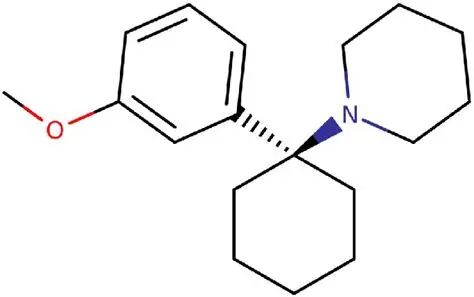
2.1 3-MeO-PCP (3-Methoxyphencyclidine)
Chemical Classification: Arylcyclohexylamine dissociative anesthetic.
IUPAC Name: 1-[1-(3-methoxyphenyl)cyclohexyl]piperidine
Molecular Formula: C₁₈H₂₇NO
Molecular Weight: 273.41 g/mol
Pharmacology:
3-MeO-PCP is a non-competitive antagonist of the N-methyl-D-aspartate (NMDA) receptor, binding to the same phencyclidine (PCP) site within the ion channel with high affinity (Ki ≈ 20–40 nM). Unlike ketamine, 3-MeO-PCP exhibits significantly higher potency (approximately 5–10×), longer duration of action (6–12 hours), and additional serotonin reuptake inhibition (SERT IC₅₀ ≈ 2 µM). This dual pharmacology contributes to both dissociative and mood-elevating effects. Researchers note that the 3-methoxy substitution enhances metabolic resistance compared to unsubstituted PCP. Buy 3 MeO PCP Online
Metabolism:
Primary metabolic pathways include:
- O-Demethylation to 3-OH-PCP (major metabolite)
- Piperidine ring hydroxylation
- Oxidative deamination followed by cyclohexanone formation
3-OH-PCP retains NMDA antagonist activity and can be detected in urine for up to 7–10 days following single use. CYP2B6 and CYP2C19 appear to be the major enzymes involved in O-demethylation. Buy 3 MeO PCP Online
Known Adverse Effects:
- Prolonged dissociation, depersonalization, and derealization
- Manic-like agitation, catatonia, and aggressive behavior
- Ataxia, nystagmus, and dysarthria
- Tachycardia and hypertension (sympathomimetic stimulation)
- Urinary retention (anticholinergic-like effects from NMDA blockade)
- Psychosis indistinguishable from acute schizophrenia in overdose cases
Analytical Detection:
- GC-MS: 3-MeO-PCP is thermally stable; electron ionization produces characteristic ions at m/z 182 (base), 138, and 273 (M+).
- LC-MS/MS: LOQ as low as 0.1 ng/mL in serum; excellent sensitivity for post-mortem toxicology.
- Immunoassays: Some PCP immunoassays cross-react with 3-MeO-PCP, but sensitivity is reduced (50–70% of PCP response).
- Chiral separation: 3-MeO-PCP exists as two enantiomers with potentially different pharmacological profiles; researchers use chiral stationary phases for separation. Buy 3 MeO PCP Online
Forensic Significance: 3-MeO-PCP has been identified in blotter papers, powders, and e-liquids. Concentrations in biological samples from emergency cases range from 5–150 ng/mL in serum.
Section 3: Designer Benzodiazepines – Flualprazolam and Flubromazepam
3.1 Buy Flualprazolam Online
Chemical Classification: Triazolobenzodiazepine; fluorinated analog of alprazolam.
IUPAC Name: 8-chloro-6-(2-fluorophenyl)-1-methyl-4H-[1,2,4]triazolo[4,3-a][1,4]benzodiazepine
Molecular Formula: C₁₇H₁₂ClFN₄
Molecular Weight: 326.75 g/mol
Pharmacology:
Flualprazolam is a positive allosteric modulator of the GABA-A receptor at the benzodiazepine binding site (α1, α2, α3, and α5 subunits). The 2-fluoro substitution increases potency relative to alprazolam by approximately 2–4× in receptor binding assays. It is a full agonist at α1 subunits, producing sedative-hypnotic effects, and partial agonist activity at α2/α3 subunits contributes to anxiolytic and myorelaxant properties. Duration of action is intermediate (4–8 hours), shorter than flubromazepam but longer than alprazolam. Buy Flualprazolam Online
Metabolism:
Hepatic metabolism proceeds primarily via:
- α-Hydroxylation (triazole ring oxidation)
- N-Dealkylation (loss of methyl group)
- Aromatic hydroxylation on the fluorophenyl ring
CYP3A4 is the dominant isoenzyme. The major urinary metabolite is 4-hydroxyflualprazolam. Unlike some benzodiazepines, flualprazolam does not produce pharmacologically active long-acting metabolites. Buy Flualprazolam Online
Known Adverse Effects:
- Profound sedation, confusion, and amnesia
- Respiratory depression, especially when combined with opioids or alcohol
- Rebound anxiety and insomnia upon discontinuation
- Physical dependence and withdrawal seizures after prolonged exposure
- Paradoxical reactions (agitation, aggression) reported infrequently Buy Flualprazolam Online
Analytical Detection:
- GC-MS: Requires derivatization (e.g., MSTFA) for satisfactory chromatography.
- LC-MS/MS: Gold standard; LOQ 0.2–0.5 ng/mL in blood; monitor transitions m/z 327 → 299, 327 → 271.
- Immunoassays: Most broad-spectrum benzodiazepine immunoassays detect flualprazolam but with reduced sensitivity (50–70% relative to oxazepam).
- Reference standards: Certified neat material and deuterated internal standards (e.g., flualprazolam-D4) available for research.
3.2 Buy Flubromazepam Online
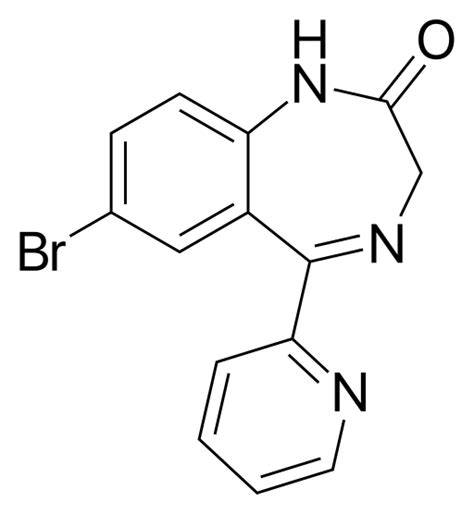
Chemical Classification: 1,4-Benzodiazepine; brominated analog of prazepam.
IUPAC Name: 7-bromo-5-(2-fluorophenyl)-1,3-dihydro-1,4-benzodiazepin-2-one
Molecular Formula: C₁₅H₁₀BrFN₂O
Molecular Weight: 333.15 g/mol
Pharmacology:
Flubromazepam acts as a high-affinity positive allosteric modulator of GABA-A receptors with an exceptionally long elimination half-life (approximately 100–130 hours in humans). It is pharmacologically similar to diazepam but with higher potency (approximately 6–8×). The long duration is due to slow hepatic metabolism and the presence of active metabolites (most notably 3-hydroxyflubromazepam). Researchers studying withdrawal dynamics note that accumulation with repeated dosing leads to prolonged sedation lasting days. Buy Flubromazepam Online
Metabolism:
Major pathways:
- 3-Hydroxylation (active metabolite)
- N-Dealkylation at position 4 (minor)
- Conjugation with glucuronic acid
CYP3A4 and CYP2C19 are responsible for hydroxylation. The elimination half-life of flubromazepam itself is 106 hours; 3-hydroxyflubromazepam has an even longer half-life (≈140 hours). Full washout requires 10–14 days. Buy Flubromazepam Online
Known Adverse Effects:
- Extended sedation, ataxia, and cognitive impairment
- Falls and fractures (especially elderly research subjects in animal models)
- Severe withdrawal syndrome including seizures after cessation following chronic administration
- Drug-drug interactions with other CNS depressants
- Paradoxical disinhibition in vulnerable populations
Analytical Detection:
- GC-MS: Following hydrolysis and derivatization; characteristic bromine isotope pattern (79Br/81Br ratio 1:1).
- LC-MS/MS: LOQ 0.1–0.2 ng/mL in plasma; transitions m/z 333 → 287, 333 → 259.
- Immunoassays: Good cross-reactivity with standard benzodiazepine assays (80–100% relative to nordiazepam).
- Distinguishing from flubromazolam: Flubromazepam lacks the triazole ring present in flubromazolam; mass spectrometry and retention time separate them. Buy Flubromazepam Online
Forensic Note: Flubromazepam is among the longest-acting designer benzodiazepines and has been encountered in powder and tablet forms at doses ranging from 4–8 mg per unit.
Section 4: Psychotropic Phenethylamines – DOC Blotter
4.1Buy Doc Blotter Online (2,5-Dimethoxy-4-chloroamphetamine)
Chemical Classification: Ring-substituted phenethylamine; amphetamine-based psychedelic.
IUPAC Name: 1-(4-chloro-2,5-dimethoxyphenyl)propan-2-amine
Molecular Formula: C₁₁H₁₆ClNO₂
Molecular Weight: 229.70 g/mol
Blotter Presentation: DOC is commonly distributed as square perforated blotter papers infused with a measured dose (typically 1–3 mg). Researchers analyzing blotter art products encounter DOC as a pale beige to off-white residue that is extractable in methanol or acetonitrile. Buy Doc Blotter Online
Pharmacology:
DOC acts primarily as a partial agonist at the serotonin 5-HT₂A receptor (Ki ≈ 2–5 nM), with moderate affinity for 5-HT₂C and 5-HT₁A receptors. It also functions as a weak monoamine reuptake inhibitor at DAT and NET at higher concentrations. The 4-chloro substitution provides 5-HT₂A selectivity and metabolic resistance, contributing to an exceptionally long duration of action (12–24 hours, compared to 4–6 hours for classic psychedelics like LSD or psilocybin). The amphetamine backbone also produces central stimulation. Buy Doc Blotter Online
Metabolism:
DOC undergoes:
- O-Demethylation at the 2 or 5 position (major Phase I pathway)
- Deamination to corresponding benzoic acid derivatives
- Conjugation (glucuronidation, sulfation)
The major urinary metabolites detected in forensic cases include 2-hydroxy-5-methoxy-4-chloroamphetamine and 5-hydroxy-2-methoxy-4-chloroamphetamine. CYP2D6 polymorphism significantly affects metabolic rate in research subjects. Buy Doc Blotter Online
Known Adverse Effects:
- Severe and prolonged hypertension (5-HT₂A-mediated vasoconstriction)
- Hyperthermia, tachycardia, and serotonin toxicity
- Psychosis, panic reactions, and violent behavior
- Rhabdomyolysis and acute kidney injury
- Vasospastic ischemia (fingers, toes, and rarely cerebral)
- Death reported at doses above 10 mg, primarily from hypertensive crisis
Analytical Detection:
- GC-MS: Excellent without derivatization; characteristic ions m/z 44 (base, CH₂=NH₂⁺), 229 (M+), and chlorine isotope pattern.
- LC-MS/MS: LOQ 0.1–0.5 ng/mL in whole blood; transitions m/z 230 → 145, 230 → 115.
- Immunoassays: Not detectable with standard amphetamine assays; no cross-reactivity.
- Blotter analysis: Methanol extraction followed by GC-MS or LC-HRMS; researchers validate uniformity of distribution by analyzing multiple perforated sections. Buy Doc Blotter Online
Storage Considerations: DOC blotter is stable at room temperature for months but degrades under UV light and high humidity (>60% RH). For research purposes, store desiccated, protected from light, at –20°C.
Section 5: Other Emerging NPS – Hexen and Orange Mandala
5.1 Buy Hexen Online (N-Ethylhexedrone; N-ethylnorhexedrone)
Chemical Classification: Synthetic cathinone; β-keto amphetamine analog of hexedrone.
IUPAC Name: 2-(ethylamino)-1-phenylhexan-1-one
Molecular Formula: C₁₄H₂₁NO
Molecular Weight: 219.32 g/mol
Pharmacology:
Hexen is a dopamine and norepinephrine reuptake inhibitor with very weak serotonergic activity (DAT IC₅₀ ≈ 50 nM; NET IC₅₀ ≈ 100 nM; SERT IC₅₀ > 10 µM). This profile produces powerful stimulant effects similar to cocaine but with longer duration (3–5 hours). The N-ethyl group (compared to N-methyl in methcathinone) increases lipophilicity and DAT selectivity. Researchers note that hexen does not act as a releaser; it is strictly a reuptake inhibitor. Buy Hexen Online
Metabolism:
Identified metabolites in human hepatocytes and urine include:
- N-Deethylation to norhexen (primary amine)
- β-Keto reduction to the corresponding alcohol (erythro/threo diastereomers)
- Aromatic hydroxylation (para position, minor)
- Oxidative deamination to the carboxylic acid
The ketone reduction product (hexen alcohol) is the predominant urinary marker for up to 48 hours.
Known Adverse Effects:
- Severe nasal pain and epistaxis (especially with insufflation)
- Tachycardia, hypertension, and chest pain
- Paranoia, visual hallucinations, and compulsive redosing
- Acute coronary syndrome reported in young adults
- Neurotoxicity (dopaminergic terminal damage) in preclinical models
Analytical Detection:
- GC-MS: Good volatility; characteristic ions m/z 112 (base, C₆H₁₀N⁺), 140, and 219 (M+).
- LC-MS/MS: LOQ 0.2–1.0 ng/mL in blood; transitions m/z 220 → 148, 220 → 91.
- Distinguishing from N-ethylpentedrone: Hexen has a hexyl chain (C6); N-ethylpentedrone has a pentyl chain (C5) — resolved by retention time and mass difference. Buy Hexen Online
Physical Properties: Hexen hydrochloride is a white to off-white crystalline powder with high water solubility (≈50 mg/mL). It is hygroscopic and should be stored in airtight containers for research stability.
5.2 Buy Orange Mandala Online
Chemical Classification: Branded NPS mixture (composition varies by batch and region).
Reported Components (based on forensic drug checking services, 2020–2025):
- Synthetic cathinones (e.g., eutylone, N-ethylpentylone, or dibutylone)
- Synthetic cannabinoids (e.g., MDMB-4en-PINACA, ADB-BUTINACA)
- Caffeine and lidocaine (common adulterants)
- Occasional psychedelic phenethylamines (e.g., 2C-B-FLY, proscaline)
Appearance: Orange-colored powder, pressed tablets, or crystalline aggregates with characteristic citrus-like odor (from artificial flavorings used in clandestine manufacture). Buy Orange Mandala Online
Pharmacology (variable): Due to its variable composition, precise pharmacology cannot be generalized. However, most identified components are potent monoamine reuptake inhibitors (cathinones) or full agonists of CB₁ receptors (synthetic cannabinoids). The combination produces unpredictable and often dangerous polypharmacy effects. Buy Orange Mandala Online
Analytical Approach for Researchers:
Given the unknown composition, researchers should:
- Perform presumptive color testing (Marquis reagent → orange-brown indicates cathinone presence)
- Screen by GC-MS or LC-QTOF with broad-spectrum libraries
- Quantify identified analytes against certified reference standards
- Report complete batch composition, noting that “Orange Mandala” is not a single chemical entity
Known Adverse Effects (from sentinel surveillance systems):
- Severe agitation and psychosis (cathinone component)
- Seizures and status epilepticus (synthetic cannabinoid component)
- Hyperthermia >40°C and rhabdomyolysis
- Acute kidney injury requiring dialysis
- Deaths reported, typically involving poly-substance mixtures
Forensic Significance: Orange Mandala first appeared in European and North American NPS markets in 2019. Drug checking services consistently identify it as one of the most unpredictable NPS products due to batch-to-batch variability. Researchers are strongly advised to analyze each distinct sample individually rather than assume composition. Buy Orange Mandala Online
Storage for Research: Store at –20°C in amber glass vials with desiccant. Because composition is unknown, treat as potentially unstable; re-analyze after 6 months of storage.
Buy 3-MMC Online (3-Methylmethcathinone)
Chemical Classification:
Synthetic cathinone; β-keto amphetamine analog; structural isomer of 4-MMC (mephedrone) with the methyl group at the 3-position instead of the 4-position.
IUPAC Name:
(RS)-2-(methylamino)-1-(3-methylphenyl)propan-1-one
Other Names in Research Literature:
3-methylmethcathinone, meta-mephedrone, “3-MMC”
Molecular Formula: C₁₁H₁₅NO
Molecular Weight: 177.24 g/mol
Physical Form (Research Grade): White to off-white crystalline powder; hydrochloride salt is most common. Buy 3-MMC Online
Pharmacology:
3-MMC acts primarily as a monoamine releaser with higher selectivity for serotonin and dopamine compared to norepinephrine. In vitro studies using transfected cell lines show that 3-MMC is a substrate for:
- Serotonin transporter (SERT): EC₅₀ ≈ 30–40 nM
- Dopamine transporter (DAT): EC₅₀ ≈ 50–70 nM
- Norepinephrine transporter (NET): EC₅₀ ≈ 100–150 nM
This produces an entactogenic-stimulant profile qualitatively between MDMA (serotonin-dominant) and methamphetamine (dopamine-dominant). Compared to its more famous isomer 4-MMC (mephedrone), 3-MMC has approximately 2–3× lower potency at SERT but similar potency at DAT, making it relatively more dopaminergic. The 3-methyl substitution also increases metabolic stability compared to the unsubstituted parent compound methcathinone. Buy 3-MMC Online
Receptor Binding Profile (Researcher Summary):
- No significant affinity for 5-HT₂A, 5-HT₂C, or muscarinic receptors
- Weak sigma-1 receptor agonist (Ki ≈ 2 µM)
- No monoamine oxidase (MAO) inhibition at relevant concentrations
Metabolism (Human & Animal Models):
Hepatic metabolism of 3-MMC occurs primarily via:
- N-Demethylation (major pathway) → nor-3-MMC (primary amine, still active)
- β-Keto reduction → 3-methylmethcathinone alcohol (inactive)
- Aromatic hydroxylation (minor) at the 4-position of the phenyl ring
- Conjugation with glucuronic acid or sulfate (Phase II)
Key Enzymes:
CYP2D6 (major), CYP1A2, CYP2B6 (minor). Polymorphisms in CYP2D6 significantly affect metabolic rate — poor metabolizers show 2–3× higher plasma concentrations in research models. Buy 3-MMC Online
Urinary Biomarkers for Forensic Labs:
- Nor-3-MMC (detectable up to 48–72 hours)
- 3-MMC parent compound (0–24 hours)
- 3-MMC-glucuronide (confirmation of exposure)
Known Adverse Effects (from case reports, animal studies, and clinical toxicology):
| System | Effects |
|---|---|
| Cardiovascular | Tachycardia (120–160 bpm), hypertension (SBP >160 mmHg), chest pain, ECG changes (QTc prolongation up to 480 ms) |
| Neurological | Psychomotor agitation, bruxism, trismus, myoclonus, seizures (dose-dependent) |
| Psychiatric | Anxiety, paranoia, visual and auditory hallucinations, serotonin syndrome (when combined with other serotonergic agents) |
| Metabolic | Hyperthermia (up to 40°C), hyponatremia (SIADH-mediated), metabolic acidosis |
| Renal | Acute kidney injury from rhabdomyolysis (elevated CK >10,000 U/L) |
Lethal Dose (Animal Models):
Mouse intravenous LD₅₀ ≈ 35 mg/kg. Human fatal intoxications have been reported at post-mortem blood concentrations ranging from 0.5–5.0 µg/mL, often with co-ingestants. Buy 3-MMC Online
Analytical Detection for Researchers:
| Technique | Details | LOD/LOQ |
|---|---|---|
| GC-MS | Requires derivatization (HFAA, MSTFA, or TFAA). EI spectrum: base peak m/z 58 (CH₂=N⁺HCH₃), molecular ion m/z 177 (weak). | LOD ≈ 10 ng/mL after derivatization |
| LC-MS/MS | Gold standard for biological fluids. Positive electrospray. MRM transitions: m/z 178 → 145 (quantifier), 178 → 160 (qualifier). | LOQ 0.5 ng/mL in blood; 1.0 ng/mL in urine |
| LC-HRMS | For metabolite identification and isomer differentiation (distinguishes 3-MMC from 4-MMC and 2-MMC by exact mass and retention time). | LOQ 0.1 ng/mL |
| Immunoassays | Variable cross-reactivity with generic amphetamine/ecstasy assays (10–60% relative to methamphetamine). Not reliable for confirmation. | N/A |
Storage & Stability for Research Batches:
- 3-MMC hydrochloride: stable at room temperature for 12+ months in sealed, desiccated containers.
- Stock solutions in methanol or acetonitrile: stable for 6 months at –20°C in amber glass vials.
- Avoid aqueous solutions at pH >8 (base precipitation) or prolonged light exposure (photodegradation to benzaldehyde derivatives). Buy 3-MMC Online
Reference Standards:
Certified 3-MMC reference materials (neat powder and 1.0 mg/mL methanolic solutions) are available from Cayman Chemical (Item No. 20968), Cerilliant, and Lipomed. Deuterated internal standard: 3-MMC-D3 or 3-MMC-D5 recommended for LC-MS/MS quantitation.
Legal Status (Research Context Only):
| Jurisdiction | Status |
|---|---|
| United States | Schedule I controlled substance (since 2021) |
| United Kingdom | Class B drug under the Misuse of Drugs Act |
| European Union | Controlled in all member states (generic cathinone ban) |
| Canada | Schedule I (CDSA) |
| China | Banned (National Narcotics Control Commission) |
| Australia | Schedule 9 (prohibited substance) |
Research Applications (Legitimate):
- Forensic method development for seized drug analysis
- In vitro transporter assays (DAT, SERT, NET)
- Metabolic stability studies using human liver microsomes (HLM) or hepatocytes
- Structure-activity relationship (SAR) comparisons with other cathinones
- Toxicology method validation for clinical and post-mortem specimens
Safety Note for Laboratories:
3-MMC is hygroscopic and can aerosolize during weighing. Always handle in a certified fume hood with full PPE. Waste disposal must follow institutional hazardous chemical protocols due to potential environmental toxicity. Buy 3-MMC Online
Section 6: Analytical Methods and Research Considerations
6.1 Sample Preparation for NPS Analysis
Researchers analyzing these compounds from seized materials or biological specimens should consider the following validated approaches:
- Blotter papers (DOC, 3-MeO-PCP): Methanol extraction (30 minutes sonication at room temperature), evaporate to dryness, reconstitute in mobile phase.
- Powders (3-MMC, α-PHP, hexen, flualprazolam, flubromazepam): Dissolve in methanol or acetonitrile (1 mg/mL stock), dilute to working concentrations (0.1–10 µg/mL).
- Orange Mandala: Perform full dissolution in methanol; expect incomplete dissolution if synthetic cannabinoids are present (some require elevated temperatures).
- Biological matrices (blood, urine): Protein precipitation (acetonitrile), solid-phase extraction (mixed-mode cation exchange), or dilute-and-shoot for LC-MS/MS.
6.2 Recommended Instrumentation
| Technique | Application | LOD (typical) |
|---|---|---|
| GC-MS | Powder and blotter screening | 10–50 ng on column |
| LC-MS/MS | Quantitation in blood/urine | 0.1–0.5 ng/mL |
| LC-HRMS | Unknown identification, metabolite profiling | 0.05–0.2 ng/mL |
| NMR | Structural confirmation of reference standards | 5–10 µg |
6.3 Reference Standards and Quality Control
Certified reference materials for all compounds discussed are available from regulated chemical suppliers (e.g., Cayman Chemical, Cerilliant, Lipomed). Researchers should:
- Use deuterated internal standards where available (e.g., 3-MMC-D3, flualprazolam-D4)
- Run quality control samples at low, medium, and high concentrations
- Participate in proficiency testing programs (e.g., NIST, ENFSI)
6.4 Legal Status Summary (for research context)
| Compound | US (DEA) | EU (generic) | China | UK |
|---|---|---|---|---|
| 3-MMC | Schedule I | Controlled | Banned | Class B |
| 3-MeO-PCP | Schedule I | Controlled | Banned | Class A |
| α-PHP | Schedule I | Controlled | Banned | Class B |
| DOC | Schedule I | Controlled | Banned | Class A |
| Flualprazolam | Unscheduled (analog may apply) | Controlled | Banned | Class C |
| Flubromazepam | Unscheduled (analog may apply) | Controlled | Banned | Class C |
| Hexen | Schedule I | Controlled | Banned | Class B |
| Orange Mandala | Analogue-controlled | Controlled | Banned | Class B |
Note: Researchers must obtain all necessary institutional, national, and international licenses before handling scheduled compounds.
Section 7: Safety and Ethical Research Guidelines
7.1 Laboratory Safety
- Handle all NPS in certified chemical fume hoods with appropriate PPE (nitrile gloves, lab coat, safety goggles)
- Weigh powders using closed-transfer systems to prevent aerosolization
- Dispose of NPS waste through accredited hazardous waste vendors
- Maintain an up-to-date inventory and security log for scheduled substances
7.2 Ethical Research Considerations
- No human or animal administration without full institutional review board approval and appropriate medical supervision
- No distribution of research materials to unlicensed individuals or entities
- Transparent reporting of all analytical findings in peer-reviewed literature or public health bulletins
- Collaboration with forensic labs to support public health surveillance, not commercial interests
7.3 Harm Reduction for Researchers Studying Toxicology
If your research involves reviewing case reports, emergency department data, or post-mortem toxicology:
- Anonymize all human data per HIPAA or GDPR guidelines
- Report adverse event data to national poison control centers or NPS surveillance systems (e.g., NPS Discovery, EU EWS)
- Include clear warnings in publications that these substances are not for human consumption
Conclusion
This review has covered the pharmacology, metabolism, adverse effects, analytical detection, and research considerations for eight notable NPS: 3-MMC, α-PHP, 3-MeO-PCP, flualprazolam, flubromazepam, DOC blotter, hexen, and Orange Mandala. For researchers working in forensic chemistry, clinical toxicology, or public health surveillance, understanding these compounds is essential for accurate identification, appropriate interpretation of biological samples, and the development of effective harm reduction strategies.
As NPS continue to evolve, staying current with the analytical literature and maintaining access to certified reference standards remains the cornerstone of evidence-based research. Always consult your institutional ethics board, national drug enforcement agencies, and chemical safety officers before acquiring or analyzing any of the substances discussed in this article.