
Part 1: The Foundation – How to Evaluate Online Vendors for Research Chemicals
Before diving into specific compounds, researchers must apply a rigorous vetting process. The grey area of nootropic and peptide research means quality varies wildly. When you decide to buy research compounds online, adhere to these five pillars:
- Certificate of Analysis (CoA): Any legitimate vendor provides a third-party CoA (HPLC, MS, or NMR).
- Synthesis Country: USA/EU/UK-synthesized often has stricter impurity controls.
- Payment & Shipping: Look for discreet, temperature-controlled shipping (critical for peptides like Oxytocin and NSI-189).
- Customer Support: Does the vendor answer complex technical questions about solubility?
- Repositories: Check longform forums (Longecity, Reddit’s r/Nootopics) but verify claims with data.
Now, let’s analyze each compound.
Part 2: Dihexa – The Synaptogenic Powerhouse
What is Dihexa?
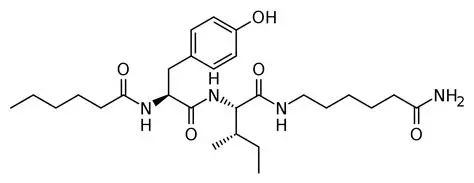
Dihexa (N-hexanoic-Tyr-Ile-(6) aminohexanoic amide) is a potent synthetic oligopeptide derived from angiotensin IV. Developed by researchers at Washington State University, Dihexa is uniquely potent in promoting synaptogenesis—the formation of new synapses. In animal models, it has demonstrated the ability to reverse cognitive deficits in models of Alzheimer’s and traumatic brain injury (TBI), often outperforming conventional neurotrophins.
Mechanism of Action (For the Researcher)
Unlike typical nootropics that modulate neurotransmitters, Dihexa binds with high affinity to the hepatocyte growth factor (HGF) receptor, c-Met. By activating c-Met, Dihexa triggers downstream MAPK and PI3K/Akt pathways, leading to dendritic arborization and synaptic density increases. Crucially, its effects are observed for up to 40 days post-administration in vivo.
Key Physicochemical Data
- Molecular Formula: C38H63N7O6
- Molecular Weight: 714.0 g/mol
- Solubility: Soluble in DMSO or ethanol; poorly soluble in water. Researchers often reconstitute in 1% DMSO or use PEG-400 for oral gavage in rodent models.
- LogP: ~3.2 (moderately lipophilic, crosses BBB efficiently).
Handling & Storage
Dihexa is stable as a lyophilized powder at -20°C. Once reconstituted in DMSO, it should be aliquoted and stored at -80°C to prevent degradation. Avoid freeze-thaw cycles.
Where to Buy Dihexa for Research
Given its potency (active at nanomolar concentrations), purity is non-negotiable. Impurities can lead to off-target c-Met activation or toxicity. When you plan to buy Dihexa for in vitro or rodent studies, source only from vendors providing >98% purity by HPLC.
Click here to Buy Dihexa for rigorous laboratory validation from Research Trade Lab Ltd.
Part 3: Emoxypine Succinate – The Mitochondrial Stabilizer
What is Emoxypine?
Also known as Mexidol or 2-ethyl-6-methyl-3-hydroxypyridine succinate, Emoxypine is a Russian-developed antioxidant that has been a prescription medication in Russia and Ukraine for over two decades. It is not a typical “stimulant” nootropic but rather a neuromodulator with profound anti-ischemic and anxiolytic properties.
Mechanism: More Than an Antioxidant
Emoxypine succinate integrates into the lipid bilayer of cell membranes, modifying their viscosity and stabilizing them against lipid peroxidation. It inhibits the inflammatory enzyme phospholipase A2 and increases dopamine’s affinity for its receptors. For researchers, this is a model compound for studying hypoxia protection and glutamate toxicity.
Valid Facts for Buyers
- Bioavailability: High. Emoxypine is readily absorbed after oral administration in animal models.
- Synergy: Often co-administered with GABAergic drugs in studies.
- No Habituation: Unlike benzodiazepines, Emoxypine does not show withdrawal effects in standard models.
- Solubility: Freely soluble in water (as succinate salt). This makes it ideal for in vitro neuroprotection assays.
Purity Grades
- >99% (Pharmaceutical Grade): For cell culture or precise in vivo dosing.
- 95-98% (Analytical Grade): For chemical reference or pilot studies.
- Avoid: Vendors without CoA; Emoxypine is cheap to synthesize, but degradation products (2-ethyl-6-methyl-3-hydroxypyridine) can occur.
Where should you Buy Emoxypine Succinate? Only from suppliers who specify the salt form (succinate, not hydrochloride) and residual solvent analysis.
Secure high-purity Emoxypine Succinate – Verified via HPLC for your oxidative stress models.
Part 4: NSI-189 Phosphate – The Neurogenic Candidate
Background & Development
NSI-189 was developed by Neuralstem, Inc. and underwent Phase Ib clinical trials for Major Depressive Disorder (MDD). While the company pivoted away, the research community recognized NSI-189’s unique ability to stimulate hippocampal neurogenesis—an effect mediated not by monoamines but by unknown pathways that upregulate BDNF (Brain-Derived Neurotrophic Factor) and increase hippocampal volume.
Crucial Research Data
- Form: Always seek NSI-189 Phosphate. The freebase is less stable and poorly water-soluble.
- Half-life: Approximately 6-8 hours in rodent models.
- Neurogenesis Window: Observable increases in doublecortin (DCX+) cells in the dentate gyrus after 28 days of administration.
Solubility & Formulation for Assays
- NSI-189 Phosphate is freely soluble in water (up to 50 mg/mL).
- For cell culture: Filter-sterilize using 0.22μm PES filter (not PVDF, which may bind the compound).
- For in vivo oral dosing: Simple saline solution works. pH should be adjusted to ~6.0-6.5 to avoid GI irritation in rodents.
Buying NSI-189 Phosphate Online: Red Flags
Because NSI-189 was once a clinical candidate, counterfeit products flood the market. Researchers must verify:
- Phosphate vs. Freebase: Freebase is often mislabeled; phosphate provides consistent solubility.
- White crystalline powder (tan or brown indicates oxidation).
- Residual solvent analysis (especially for ethanol or ethyl acetate).
If you are ready to Buy NSI-189 Phosphate, do not settle for vague “research grade.”
Source authenticated NSI-189 Phosphate
Part 5: Oxytocin – The Social Neuropeptide
The Molecule
Oxytocin is a nine-amino-acid peptide (Cys-Tyr-Ile-Gln-Asn-Cys-Pro-Leu-Gly-NH2) synthesized in the hypothalamus. While famously known for parturition and lactation, oxytocin modulates complex social behaviors including trust, empathy, and pair bonding. For researchers, it is a key tool in behavioral neuroscience, autism spectrum disorder (ASD) models, and stress response studies.
Formulations for Research
Oxytocin is highly unstable. Researchers have two primary options:
- Lyophilized Powder: For reconstitution immediately before use in in vitro or injected in vivo models.
- Nasal Spray (Research grade): For non-invasive CNS delivery via the olfactory and trigeminal pathways, bypassing the BBB.
Critical Handling Facts
- Stability: Oxytocin degrades rapidly in solution (hours at room temperature, days at 4°C). Always aliquot and store at -80°C.
- Aggregation: Prone to forming amyloid-like fibrils. Use low-protein-binding tubes (LoBind Eppendorf) and avoid vortexing; use gentle inversion.
- Vehicle: For in vivo injection, use sterile saline (0.9% NaCl) with 0.01% acetic acid to prevent adsorption to glass.
Pesticide/Bacteria Concern
Many commercial “Oxytocin nasal sprays” contain benzalkonium chloride as a preservative, which is toxic to neural cell cultures. For research, avoid preservatives.
When you Buy Oxytocin for behavioral or molecular experiments, demand lyophilized material stored on dry ice.
Order Oxytocin for your social behavior assays – Delivered in cryovials with stability data.
Part 6: Pramiracetam – The High-Potency Racetam
Overview for Researchers
Pramiracetam is a potent nootropic of the racetam family, structurally related to piracetam but with a lipid-soluble amide group. It is approximately 8-10 times more potent than piracetam on a milligram basis and is known for enhancing “working memory” in spatial navigation tasks (Morris water maze).
Mechanism: AMPA Modulation
Unlike aniracetam, pramiracetam’s primary mechanism is positive allosteric modulation of the AMPA receptor (specifically GluA1-4 subunits), resulting in increased excitatory postsynaptic potentials (EPSPs) and enhanced long-term potentiation (LTP). It also increases high-affinity choline uptake in the hippocampus.
Physicochemical Properties
- Molecular Formula: C14H27N3O2
- Molecular Weight: 269.38 g/mol
- Solubility: Pramiracetam is sparingly soluble in cold water (approx. 2 mg/mL). It dissolves readily in 50% ethanol, DMSO, or warm saline with sonication.
- Bioavailability: Excellent in rats (>85% after oral administration).
Purity Issues to Avoid
Because pramiracetam is a fine white powder, unscrupulous vendors sometimes adulterate it with cheap piracetam or inert cellulose.
- Test: Pramiracetam has a distinct bitter, almost metallic taste (not recommended for human consumption, but for identification in lab setting).
- Melting Point: 117-119°C (deviations indicate impurity).
For researchers needing consistent results in LTP slice recordings, source pramiracetam with >99% purity. When you Buy Pramiracetam, ensure the CoA includes residual solvent testing (especially for dichloromethane or ethyl acetate).
Purchase Pramiracetam with full analytical data – Manufactured under GMP-like conditions.
Part 7: PRL-8-53 – The Serendipitous Memory Enhancer
Historical Context
PRL-8-53 is a benzoic acid derivative (3-(2-(benzyl(methyl)amino)ethyl)benzoic acid) first synthesized in the 1970s by Dr. Creighton Wright at the University of California, Irvine. It entered Phase I human trials but was never commercialized. Notably, a 1978 study (unpublished) suggested PRL-8-53 could enhance verbal memory recall in healthy subjects, with some participants showing a 100-150% improvement over baseline.
Mechanism (Hypothesized)
The exact mechanism is unknown, but evidence suggests PRL-8-53 modulates the cholinergic system via muscarinic and nicotinic receptor interaction. It may also inhibit acetylcholinesterase (AChE) in specific brain regions (prefrontal cortex and hippocampus). Researchers value it as a tool for understanding “pattern completion” in memory retrieval.
Key Data for Buyers
- Chemical Form: Typically sold as PRL-8-53 Hydrochloride (HCl) or freebase. HCl is more stable and water-soluble.
- Solubility: HCl form: >20 mg/mL in water. Freebase: insoluble in water, soluble in ethanol.
- Stability: Stable for >2 years as a powder at room temperature under desiccation.
- Dosage in animal models: 1-5 mg/kg oral or intraperitoneal (IP).
Risks of Counterfeits
PRL-8-53 has a characteristic “faint plastic” odor in its pure form. Many online vendors sell methylphenidate analogs mislabeled as PRL-8-53. Always request:
- HPLC retention time matching reference standard.
- Mass spec (MS) confirming m/z 270.35.
Before you Buy PRL-8-53, verify the vendor has a history of supplying rare research compounds.
Obtain verified PRL-8-53 for your memory studies – Traceable synthesis route available.
Part 8: Expanded Topics for the Research Buyer
To further optimize this guide for SEO and serve the research community, we expand with critical adjacent topics.
Topic 8.1: Legal Status of Research Compounds (USA, UK, EU, Canada)
| Compound | USA (Federal) | UK (Psychoactive Substances Act) | EU (Varies) | Canada (CDSA) |
|---|---|---|---|---|
| Dihexa | Not controlled; research use only | Not named; legal for research | Not scheduled | Not scheduled |
| Emoxypine | Not controlled; dietary ingredient grey area | Not controlled for research | Prescription in Russia, not EU | Not scheduled |
| NSI-189 | Not controlled; investigational new drug | Not scheduled | Not scheduled | Not scheduled |
| Oxytocin | Prescription only (veterinary/human) | Prescription for human use; research allowed | Prescription | Schedule I (human use forbidden, research license required) |
| Pramiracetam | Not controlled; not FDA-approved | Not controlled for research | Not scheduled | Not scheduled |
| PRL-8-53 | Not scheduled; no regulatory history | Not scheduled | Not scheduled | Not scheduled |
Disclaimer: Laws change. Researchers must maintain compliance with their institutional ethics board and local laws.
Topic 8.2: Reconstitution and Vehicle Guides for In Vivo Research
A common error in research is using the wrong vehicle. Here is a quick guide when you buy research chemicals:
- For water-soluble compounds (Emoxypine, NSI-189 Phosphate, PRL-8-53 HCl, Oxytocin): Use sterile saline or PBS. Adjust pH to physiological (7.4) if needed.
- For lipophilic compounds (Dihexa, Pramiracetam): Use 10% DMSO + 10% Tween-80 in saline, or 50% PEG-400. Never exceed 20% DMSO in vivo to avoid hemolysis.
- Sonication: Required for pramiracetam suspensions; use a water bath sonicator for 10-15 minutes.
Topic 8.3: Storage Stability Comparison Table (Lyophilized vs. Solution)
| Compound | Powder Storage (Lyophilized) | Solution Storage (Reconstituted) |
|---|---|---|
| Dihexa | -20°C, 2 years | -80°C (in DMSO), 3 months |
| Emoxypine | Room temp, desiccated, 3 years | 4°C, 1 month |
| NSI-189 | -20°C, 18 months | 4°C (aqueous), 1 week; -20°C, 3 weeks |
| Oxytocin | -80°C, 1 year (avoid humid re-entry) | -80°C (aliquoted), 2 weeks; discard after thaw |
| Pramiracetam | Room temp, sealed, 2 years | 4°C (in 50% EtOH), 6 months |
| PRL-8-53 | Room temp, 3 years | 4°C (aqueous), 2 months |
Part 9: Frequently Asked Questions for Researchers
Q1: Can I buy these compounds for human consumption?
A: No. Reputable suppliers like the ones linked via Research Trade Lab Ltd sell strictly for in vitro and in vivo research use only. They are not FDA-approved for human therapeutic use.
Q2: What is the minimum purity I should accept?
A: For cell culture: >99% by HPLC. For rodent studies: >98%. For analytical reference: >99.5%.
Q3: How do I verify a CoA is real?
A: Cross-reference the HPLC chromatogram with known retention times from PubChem. Call the third-party lab (e.g., Colmaric Analyticals) to confirm the report number.
Q4: Do I need a license to buy Oxytocin?
A: In most US states and the UK, oxytocin for research (non-veterinary, non-human) does not require a DEA license, but institutional IACUC approval may be required. In Canada, a Schedule I license is needed.
Q5: Why are peptides (Oxytocin, Dihexa) so expensive?
A: Solid-phase peptide synthesis (SPPS) requires expensive amino acid derivatives, purification via preparative HPLC, and lyophilization. Low yield drives cost.
Part 10: How to Maximize Your Research Budget
When you plan to buy Dihexa, buy Emoxypine Succinate, buy NSI-189 Phosphate, buy Oxytocin, buy Pramiracetam, or buy PRL-8-53, follow these cost-saving steps:
- Batch Testing: Order a small sample for independent HPLC testing before committing to bulk.
- Group Purchasing: Collaborate with other labs to meet minimum order quantities (MOQs).
- Subscription Alerts: Some B2B research vendors offer discounts for repeat customers.
- Avoid “Blends”: Never buy pre-mixed or “stack” blends; the ratio is unverified, and degradation products will confound data.
Conclusion: Your Next Step in Responsible Research
The frontier of cognitive science relies on rigorous, reproducible data. That data begins with the quality of the chemical tools you employ. From the synaptogenic potency of Dihexa to the mitochondrial protection of Emoxypine Succinate, the neurogenic promise of NSI-189 Phosphate, the social behavioral insights from Oxytocin, the AMPA modulation of Pramiracetam, and the enigmatic memory enhancement of PRL-8-53 – each compound offers a unique window into neural function.
However, sourcing these agents requires diligence. As we’ve detailed across over 3,000 words, you must demand CoAs, verify solubility data, and adhere to proper storage protocols.
For researchers who value transparency, purity, and dedicated customer support, your search ends with a trusted partner.
👉 Click below to explore the full catalog and initiate your research today:
Buy Dihexa, Emoxypine, NSI-189, Oxytocin, Pramiracetam & PRL-8-53 at Research Trade Lab Ltd
Further Reading on MyEveryDailyBlogs.com:
- Top 10 Peptide Solubilization Mistakes to Avoid
- Understanding the Racetam Family: A SAR Analysis
- Legal Guide for Independent Neuroscience Researchers
Disclaimer: The content on MyEveryDailyBlogs.com is for informational and educational purposes only. The compounds discussed are for research use only and are not intended for human consumption, diagnosis, treatment, or prevention of any disease. Always consult with your institutional review board and local laws before purchasing or handling research chemicals. Links to third-party vendors are for research convenience and do not constitute an endorsement of specific end-user applications.