
Welcome to My Every Daily Blogs, your premier source for in-depth educational insights. Today, we dive deep into the pharmacological profiles of five significant research chemicals: 1V-LSD, 2F-DCK, 4F-MPH, Flubromazepam, and Noopept.*
The global scientific landscape is rapidly evolving, with researchers constantly seeking novel compounds to study neurological pathways, receptor binding affinities, and cognitive processes. As a researcher, staying informed about the latest chemical structures and analytical data is paramount.
In this comprehensive guide, we will explore the mechanisms, effects, and safety profiles of five key substances currently making waves in the research community. Please note: The following content is strictly for educational and research purposes. These compounds are not approved for human consumption, and this information is intended solely for use by licensed professionals in controlled laboratory settings.
For verified analytical standards and research materials, advanced researchers are encouraged to collaborate with trusted suppliers like Research Trade Lab Ltd.
Section 1: The Lysergamide Frontier – 1V-LSD
What is 1V-LSD?
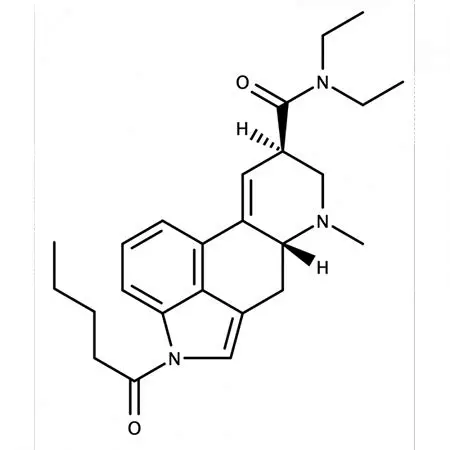
1V-LSD, commonly referred to as “Valerie,” is a novel lysergamide derivative. It is a structural analogue of the well-known LSD (Lysergic acid diethylamide). The modification involves the addition of a valeryl group (a pentanoyl chain) to the nitrogen atom of the indole core, replacing the classic diethylamide group found in LSD-25.
Pharmacological Mechanism
Lysergamides exert their research interest primarily through high-affinity binding to serotonin receptors, specifically the 5-HT2A subtype. While specific binding affinity data for 1V-LSD is still emerging, comparative studies on similar analogues (like 1P-LSD and 1cP-LSD) suggest that 1V-LSD acts as a prodrug. This means that the body’s metabolic processes likely cleave the valeryl group to produce the active LSD molecule, which then interacts with the serotonergic system.
Research Applications
- Receptor Binding Studies: Used to map serotonin receptor dynamics in vitro.
- Metabolic Stability: Researchers study the hydrolysis rate of the valeryl group compared to other acylated lysergamides to understand structure-activity relationships (SAR).
Scientific Data
- Chemical Name: 1-valeryl-d-lysergic acid diethylamide
- Molecular Weight: Approximately 391.5 g/mol
- Bioavailability: Under investigation; presumed oral activity similar to LSD.
Handling & Storage
Lysergamides are sensitive to light, heat, and humidity. They should be stored in amber glass vials at a consistent, cool temperature (ideally refrigerated) to prevent degradation of the molecule.
For Researchers: If you are conducting comparative lysergamide studies, ensure you are sourcing high-purity peptide standards. You can Buy 1V LSD research materials exclusively through verified supply chains at Research Trade Lab Ltd.
Section 2: The Arylcyclohexylamine – 2F-DCK (2-Fluorodeschloroketamine)
Understanding 2F-DCK
2F-DCK (2-Fluorodeschloroketamine) is a dissociative anesthetic belonging to the arylcyclohexylamine class. It is a structural analogue of Ketamine, where the chlorine atom in the phenyl ring has been replaced with a fluorine atom.
Pharmacodynamics
Like Ketamine, 2F-DCK is primarily an antagonist of the NMDA (N-methyl-D-aspartate) receptor . By blocking this ion channel, it inhibits glutamatergic neurotransmission. The fluorine substitution is of particular interest to pharmacological researchers because fluorine often affects the metabolic stability and lipophilicity of a molecule, potentially altering the duration of action.
Research Focus
- NMDA Antagonism: Used in studies regarding glutamate dysregulation and neuroprotection.
- Comparative Metabolism: Researchers analyze the urinary metabolites of 2F-DCK to differentiate it from Ketamine in analytical toxicology studies.
Key Properties
- IUPAC Name: 2-(2-fluorophenyl)-2-(methylamino)cyclohexan-1-one
- Appearance: Typically a white crystalline powder.
- Solubility: High solubility in ethanol and water, making it suitable for various in vitro assays.
Safety in Research Context
Researchers note a “manic” or “heavy” body load in higher concentration assays. It is vital to use accurate milligram scales when preparing solutions to ensure precise dosage for cellular or tissue studies.
Are you sourcing validated reference standards for your dissociative research? Buy 2F DCK for your upcoming trials at Research Trade Lab Ltd.
Section 3: The Stimulant Analog – 4F-MPH (4-Fluoromethylphenidate)
Background
4F-MPH is a research chemical belonging to the phenidate class, structurally related to the prescription drug Methylphenidate (Ritalin). The addition of a fluorine atom at the 4′ position of the phenyl ring significantly alters its pharmacological profile.
Mechanistic Action
Data from monoamine transporter studies indicate that 4F-MPH acts as a potent dual dopamine (DA) and norepinephrine (NE) reuptake inhibitor .
Research data highlights that the threo diastereomer of 4F-MPH is responsible for the biological activity, whereas the erythro isomer shows negligible effects.
Comparative Potency Data (In Vitro):
- (±)-threo-4F-MPH:
- Methylphenidate (MPH):
- Selectivity: Both 4F-MPH and MPH are catecholamine-selective, showing low affinity for the serotonin transporter (SERT) .
Research Implications
The data suggests that (±)-threo-4F-MPH exhibits significantly higher potency at the dopamine transporter than Methylphenidate. This makes it a valuable tool for researchers studying the structural requirements of the dopamine transporter and the mechanisms of psychostimulants.
Usage in the Lab
Because of its potency, volumetric dosing is strictly necessary for any receptor binding assay.
*Access high-purity analytical samples for your chromatography needs. Buy 4F MPH Spray or powder formulations strictly for research via Research Trade Lab Ltd.*
Section 4: The Long-Acting Benzodiazepine – Flubromazepam
Introduction
Flubromazepam is a designer benzodiazepine, first synthesized in the 1960s but only emerging as a research chemical in the 2010s. It is characterized by its extremely long duration of action.
Pharmacological Profile
Flubromazepam is a positive allosteric modulator (PAM) of the GABA-A receptor. By binding to the benzodiazepine site, it enhances the inhibitory effects of GABA, leading to neuronal hyperpolarization.
Critical Research Findings (2022-2025)
Recent toxicology research (Hong et al., 2022) has highlighted specific risks associated with Flubromazepam that are crucial for researchers to document:
- Dependence Potential (Reward): In rodent models using the Conditioned Place Preference (CPP) test, subjects treated with Flubromazepam (0.1 mg/kg) exhibited a significant preference for the drug-paired compartment. This suggests a “reward-enhancing” effect and a potential for dependence.
- Cardiotoxicity: High concentrations (100 µM) of Flubromazepam were shown to reduce cell viability. Specifically, it caused an increase in RR intervals (affecting heart rhythm regularity) and inhibited hERG (human ether-à-go-go-related gene) potassium channels, which is a known marker for potential cardiac arrhythmia.
- Kinetics: Peak plasma concentrations in humans are reached approximately 5 hours post-administration, with a second peak occurring at 8 hours, contributing to its prolonged duration.
Analytical Chemistry
Due to its long half-life (reported to be over 100 hours), flubromazepam is a target analyte in LC-MS/MS methods for clinical toxicology.
Researchers requiring certified reference materials for GABA-A studies or forensic calibration should Buy Flubromazepam from a trusted distributor like Research Trade Lab Ltd.
Section 5: The Neuropeptide – Noopept (GVS-111)
Overview
Noopept (N-phenylacetyl-L-prolylglycine ethyl ester) is a synthetic nootropic dipeptide developed in Russia in the 1990s. While often compared to Piracetam, it is chemically distinct, lacking the 2-oxo-pyrollidine nucleus that defines racetams.
Mechanism of Action
Noopept exhibits a multimodal mechanism distinct from traditional stimulants:
- Prodrug Activity: Noopept is rapidly metabolized into Cycloprolylglycine (CPG) . Researchers believe that CPG is the primary active metabolite responsible for Noopept’s effects, rather than the parent compound itself.
- Neurotrophin Release: In vivo studies demonstrate that Noopept stimulates the expression of Nerve Growth Factor (NGF) and Brain-Derived Neurotrophic Factor (BDNF) in the rat hippocampus.
- Amyloid Antagonism: In cellular models of Alzheimer’s disease, Noopept has shown an ability to rescue cells from α-synuclein and amyloid-beta toxicity.
Pharmacokinetic Data in Rats
- Absorption: Rapidly absorbed orally (Tmax approx. 7 minutes) .
- Bioavailability: Oral bioavailability is estimated at roughly 10% compared to injection, yet it retains potent oral activity .
- Half-Life: Extremely short half-life in rats (approx. 16 minutes) .
Potency Comparison
Noopept is estimated to be 100 to 1,000 times more potent than Piracetam on a dose-per-dose basis, allowing for research applications at much lower concentrations.
Enhance your neurogenesis and cognitive research models. Buy Noopept Spray for precise dosing in laboratory settings at Research Trade Lab Ltd.
Section 6: Buyer Beware – Quality & Purity in Research
For the findings mentioned above to be replicable, the quality of the research material is paramount. Impurities in the erythro diastereomer of 4F-MPH, for example, can completely nullify dopamine transporter inhibition results.
My Every Daily Blogs recommends Research Trade Lab Ltd for your procurement needs. They provide rigorous quality control and third-party testing results, ensuring that your data reflects the compound’s true pharmacology, not contamination.
FAQ for Researchers
Q1: Are these compounds scheduled (Controlled Substances)?
A: Scheduling varies by country. The substances discussed (1V-LSD, 2F-DCK, 4F-MPH, Flubromazepam) are controlled in many jurisdictions (e.g., China and various European nations). Noopept is generally unscheduled and classified as a supplement/nootropic in most regions except Russia. Always check your local laws before ordering.
Q2: What is the difference between 2F-DCK and Ketamine?
A: Structurally, the chlorine in Ketamine is replaced by Fluorine in 2F-DCK. Functionally, both are NMDA antagonists, but researchers note that 2F-DCK may have a slightly different metabolic profile and binding kinetics due to the fluorine atom’s electronegativity.
Q3: Why should I choose a spray formulation (e.g., Noopept or 4F-MPH spray)?
A: Spray formulations are designed for volumetric dosing accuracy. For highly potent compounds (like 4F-MPH), a spray ensures that every experiment starts with a precisely metered amount of the compound, reducing user error inherent in weighing milligram quantities of powder.
Q4: Is Flubromazepam detectable in standard toxicology screens?
A: Standard 5-panel or 10-panel drug screens often miss novel designer benzodiazepines. However, specialized LC-MS/MS methods have been developed specifically to detect Flubromazepam and its metabolites in biological matrices.
Conclusion: The Future of Psychopharmacology
The study of 1V-LSD (Serotonin), 2F-DCK (Glutamate), 4F-MPH (Dopamine), Flubromazepam (GABA), and Noopept (Neurotrophins) covers nearly every major neurotransmitter system in the brain. As research chemicals evolve, the data generated from these studies will continue to inform the development of future neuropharmacological therapies.
Disclaimer: The content on My Every Daily Blogs is for informational purposes only. We do not condone the misuse of research chemicals. Our content is intended for licensed researchers and industrial professionals only.
Source: My Every Daily Blogs
Partner Link: Research Trade Lab Ltd